Duck and Cover
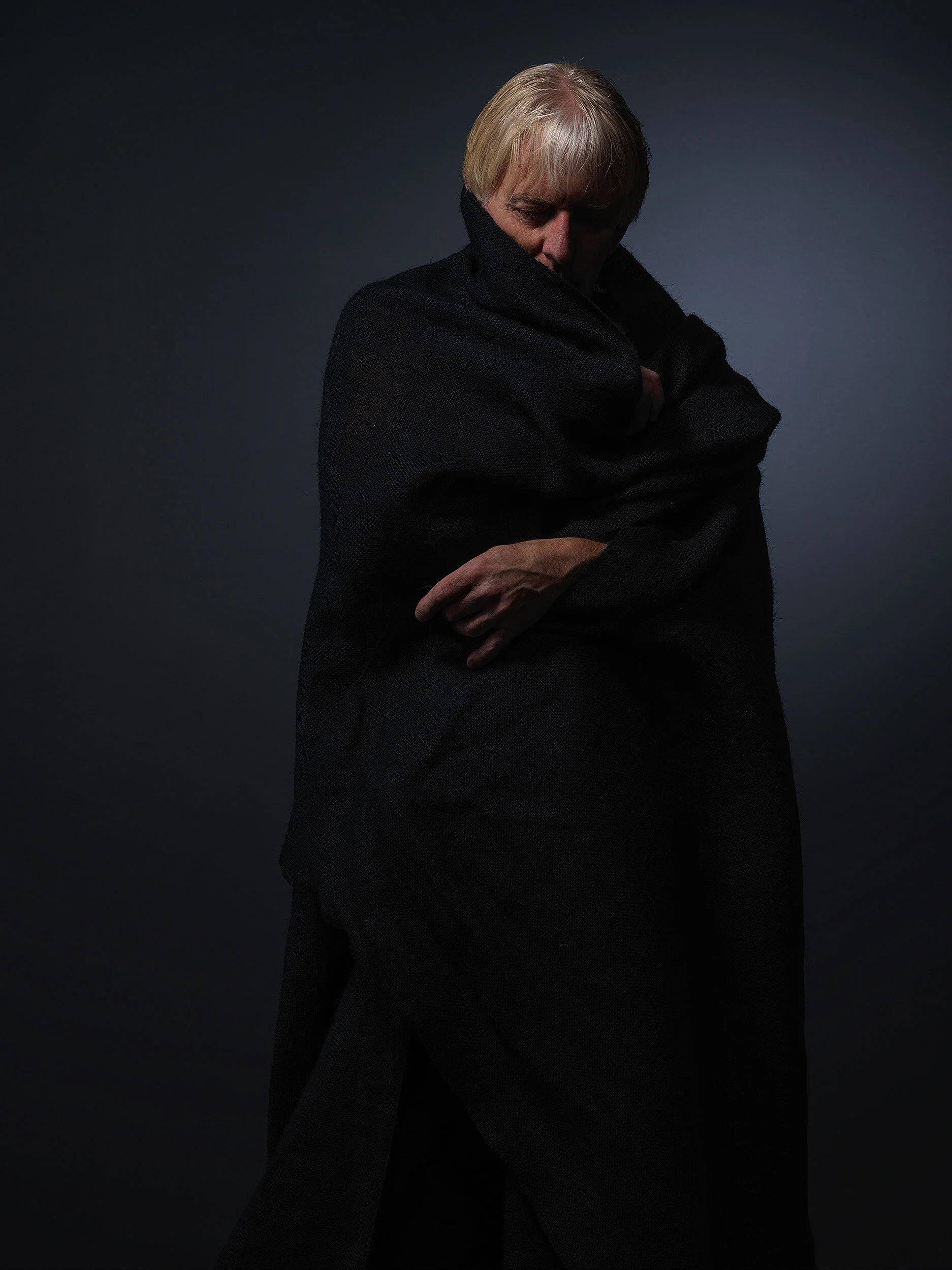
During the early days of isolation, I found myself overwhelmed by anxiety. It arrived before I really understood what I was feeling. What I did have was a blanket.
There was comfort in its weight. Wrapped tightly around me, it created a temporary sense of protection from something I couldn't see, but could not ignore.
Yet the same thing that offered comfort also enclosed me. That tension became the beginning of Duck and Cover.
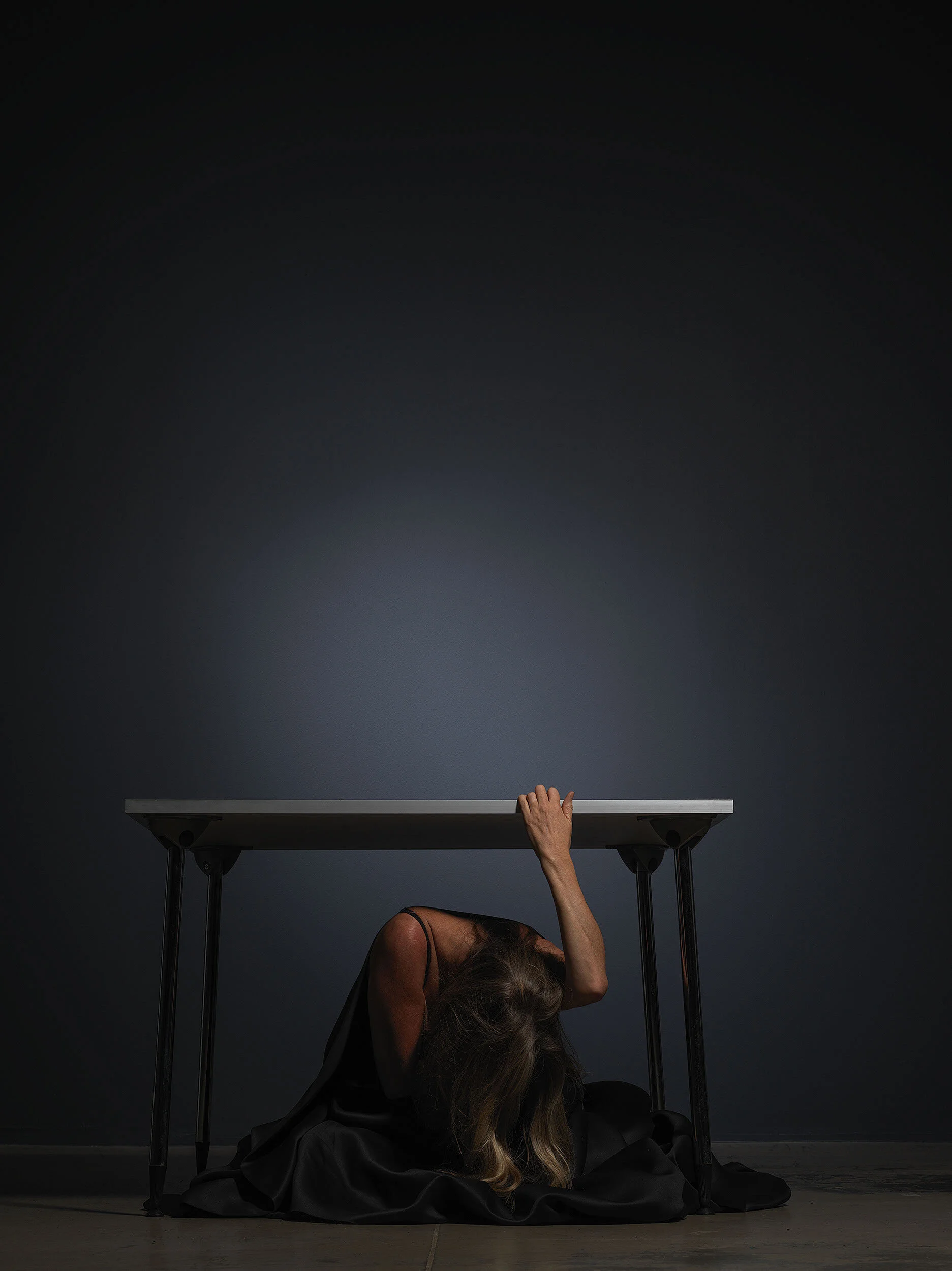
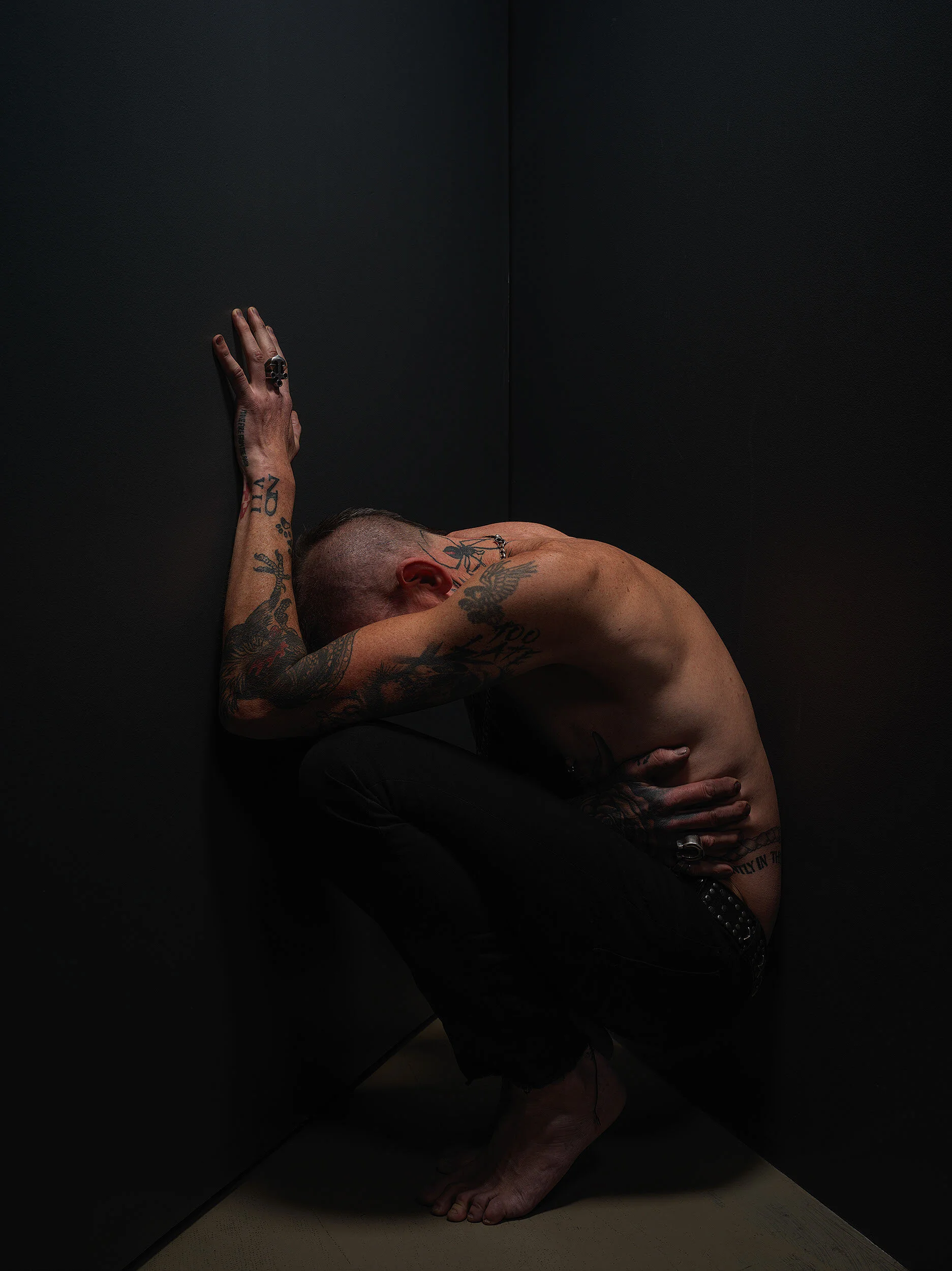
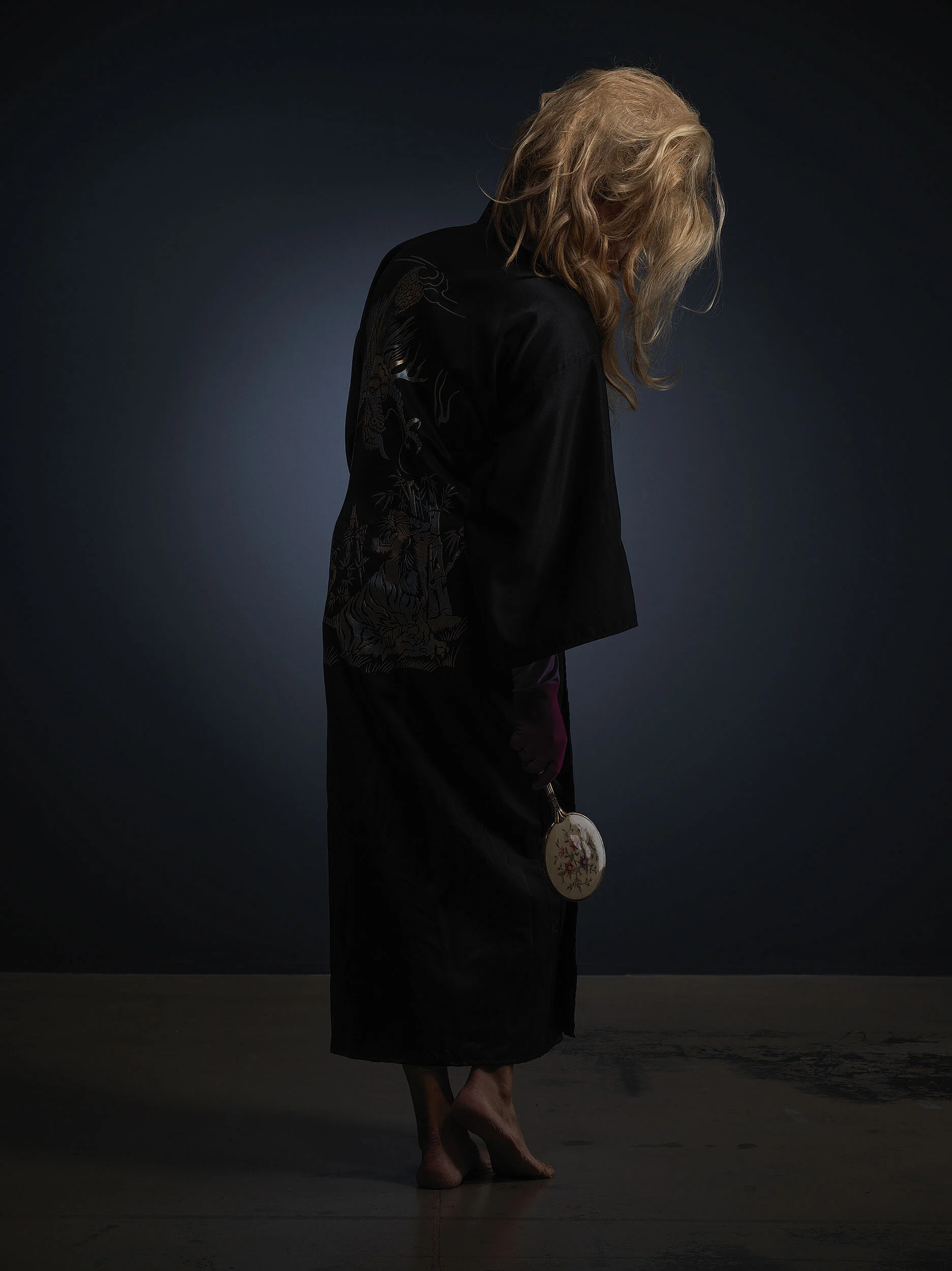
I stripped the studio back to almost nothing. Bare walls, restricted light, simple objects. Bodies fold, brace, retreat and disappear.
A blanket becomes shelter. A table, a corner, a box, a mask, another person. Each offers the possibility of safety, but also confinement.
As movement slowed and the outside world receded, our relationship with space changed. Rooms became smaller. Time became heavier. The familiar began to feel strange.
The work evolved around that sense of compression, physical and psychological, and the instinct to protect ourselves when protection itself had become uncertain.
The photographs were made with close friends who stepped beyond the safety of their own homes to enter the studio.
Their trust allowed the work to move somewhere more vulnerable and intimate. They were not simply performing isolation.
They brought their own unease, humour, tenderness and resilience into the frame.
Duck and Cover grew from a very simple impulse: the desire to find shelter. But as the series developed, I became less certain about where safety ended and confinement began.
Perhaps that distinction was never as clear as we imagined.